Hormone Changes and the Need for the Right Exercise
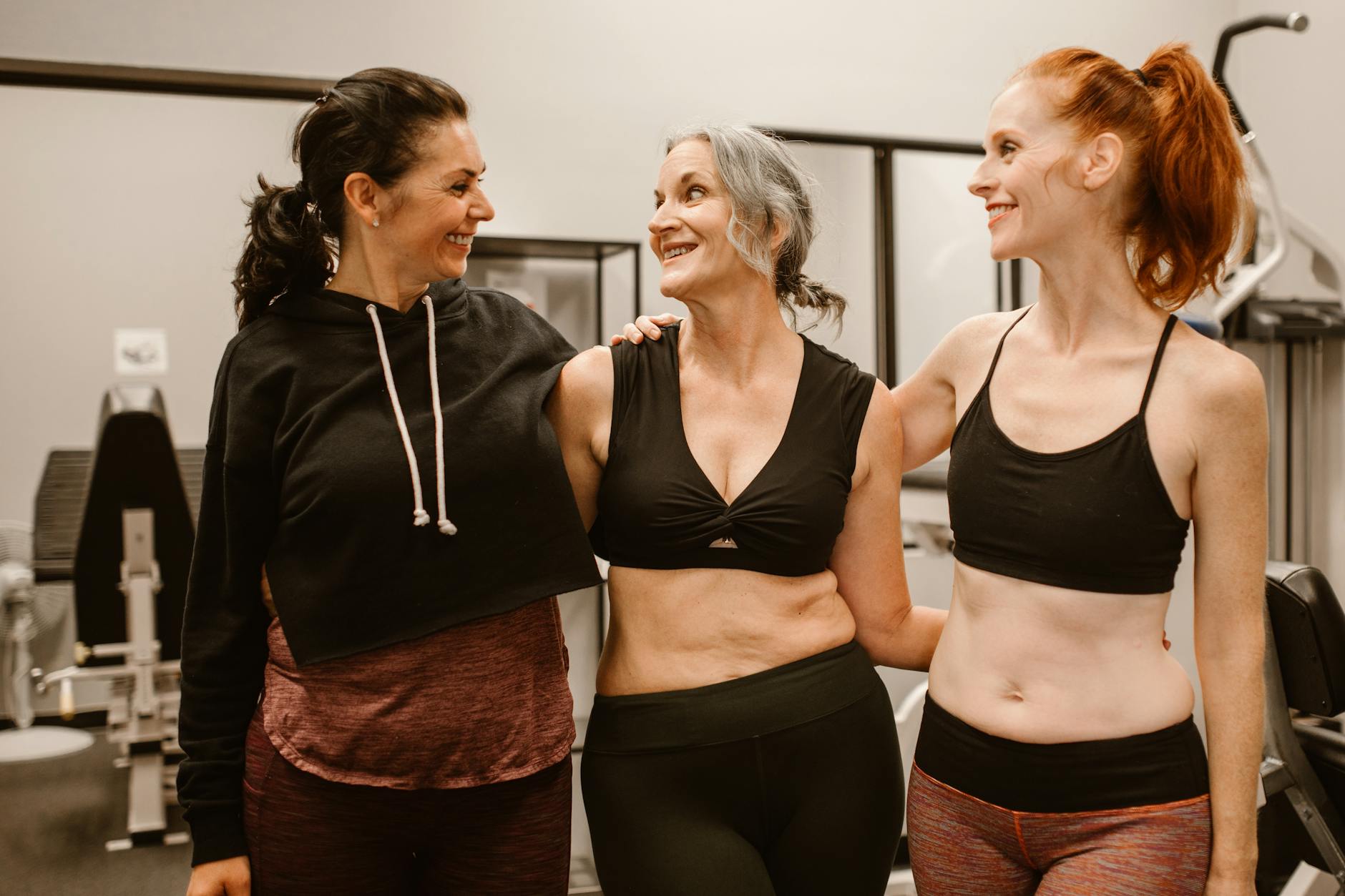
Hormone changes in perimenopause and menopause impact every cell in a woman’s body — yet until recently, there wasn’t much research into the full effects this stage of life brings.
I’m not a medical expert, but I am living through it. My approach has been to research my way forward, doing what I can to support my body through the process.
Exercise is important at any age, but during perimenopause, the right exercise becomes critical. Hormonal shifts can lead to decreases in bone density, muscle loss, higher cortisol, increased cholesterol, and a range of other changes. Movement isn’t just about staying fit anymore — it’s about protecting long-term health.
How Rebounding Came Onto My Radar (Again)
About two years ago, I was at a regular massage appointment when the therapist mentioned that she thought my lymph system was a bit stagnant. She suggested some lymph massage techniques and other ways to support optimal lymph function. I tried some of those, but none stuck — mostly because I couldn’t make them part of my daily routine.

In my own research, one recommendation kept popping up again and again: rebounding.
This made me giggle inwardly because years ago in university, my roommate had a mini-trampoline she wasn’t using. I started bouncing on it almost daily—sometimes up to 45 minutes—usually with music playing. It was fun and a great way to release stress. When we parted ways as roommates she gifted me the mini-trampoline because I was using it and she wasn’t. I honestly don’t remember why I stopped rebounding but somewhere along the way, I just did. Probably because for years I was cycling and attending boot camp style workout classes.
Another irony? I had a rebounder sitting in my own basement for years. After I broke my ankle, my physiotherapist told me jumping on a rebounder would be one of the best ways to retrain the balance receptors in my ankle. My mom even brought hers over for me to use — but I ended up choosing a balance board instead.
Why Walking and Weights Weren’t Enough
Fast-forward to more recent years. I’m not exactly sure when perimenopause began for me — time blurred between 2020 and now, and I missed a few annual check-ups. Last year, my doctor confirmed what I suspected: my blood work clearly showed I was in perimenopause.
Research points to walking and weight training as the most beneficial forms of exercise for menopausal women. I’m an avid walker and hiker, but neither was restoring my energy and I knew I needed to do more for my cardio fitness. I couldn’t convince myself to use the elliptical or other machines consistently anymore — something about perimenopause makes it harder to force yourself into activities you don’t enjoy.
I was also doing kettlebell workouts, which I like, but if I was tired, I often skipped them.
Then I started digging into movement modalities that might feel better and still deliver results. What kept coming up — in smaller studies, in expert recommendations, and in a surprising number of personal accounts — was rebounding. The data is still emerging, but the consistent pattern across those sources made me want to give it another try. Rebounding isn’t just for one age group or fitness level; there are adaptations for seniors and people recovering from joint issues, and it’s low-impact enough to feel accessible.

Managing Stress Hormones Through Exercise
During perimenopause and menopause, managing cortisol—the body’s main stress hormone—is especially important. Elevated cortisol levels can contribute to weight gain (especially around the abdomen), disrupt sleep, increase anxiety, and even worsen bone loss.
Certain types of high-intensity or prolonged exercise can increase cortisol too much, potentially adding stress rather than relieving it. This is exactly how I felt with boot camps – the recovery was too long as the workouts became too stressful on my body. That’s why experts often recommend moderate, manageable forms of exercise such as walking and resistance training, which support fitness without overloading the body’s stress response.
Rebounding offers a gentle, low-impact way to boost cardiovascular health and mood. Because it can be done at a comfortable pace, it’s less likely to cause excessive cortisol spikes, making it a great option for supporting energy and well-being during this hormonal transition.
A Humbling Re-Start
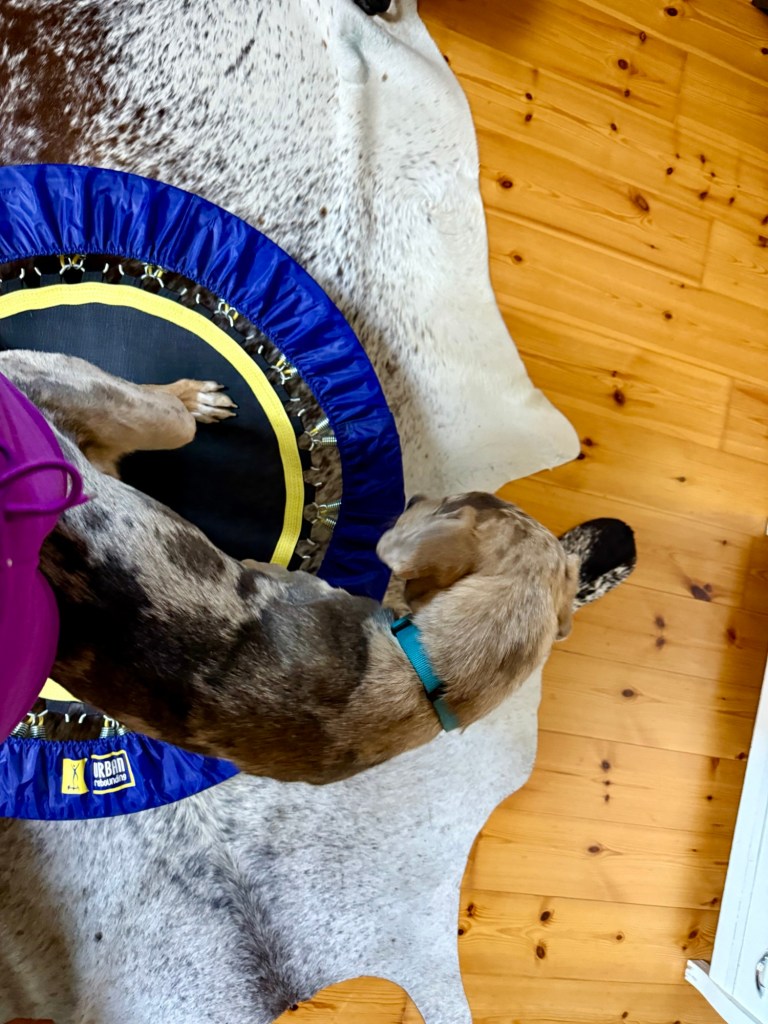
I started last spring and was totally surprised by how difficult it was to get back into it. My calves screamed at me when I jumped for just a few minutes — I struggled to make it to 3 minutes at first, which was humbling because I didn’t remember it being that hard when I did it in university. Back then, I would just put music on and bounce away.
In middle age, even though I was already active in different ways each day, rebounding was still a challenge. My research reassured me that starting slow was fine—even just three minutes, three times a day, can be highly beneficial. So I began with short sessions, bouncing morning and night for as long as I could manage, often just three minutes a few times a week. I reminded myself that if seniors with hip and knee replacements could rebound successfully, so could I!
To make progress without pain, I also followed advice from online experts on proper form and posture. Over time, my body adapted, and I gradually worked my way up to sessions lasting between 15 and 30 minutes. This amount of time seems doable within a busy daily schedule, gives me a great workout that gets me sweating and brings joy to my day – which means I will more likely continue with consistency.
Ready to Bounce?
Every body is different, and many personal accounts show that people respond to rebounding in different ways when they first start. If you’re considering trying it, give yourself grace and listen to your body. Don’t give up if it doesn’t feel ideal right away. Start small, stay consistent, stay curious and see where rebounding leads you.

What’s Next?
Now that I’ve worked my way up with increasing amounts of time and difficulty, I’ve decided to try rebounding for 30 days straight. I’m keeping track of my progress and will share the results at the end of the month.
If you like our content please considering liking this post and subscribing.
 thepolestarpost
One thought on “Exercise for Hormonal Balance: Rebounding Benefits”