Fireweed is a gift with its beautiful bright pink flowers stretching skyward on tall, elegant stalks, it often appears in places where the land is beginning again. Its name gives away its story—Fireweed is typically one of the first plants to return after a wildfire, bringing vibrant color to fire-scarred landscapes.

But this morning, my adventure didn’t take me to a recently burned forest. Instead, I walked through an area rich with underbrush, where fireweed thrives alongside wild raspberries, stinging nettles, and diamond willow trees. As we moved through the tall grass and undergrowth, two white-tailed deer moved quietly through the trees—a gentle reminder of the quiet interconnectedness of everything. These moments are part of the medicine of foraging and wild crafting. No fire has touched this place, and yet, fireweed grows here in abundance.
Ivan Chai Tea
I came here today with a purpose: to harvest fireweed leaves for making Ivan Chai, a traditional fermented tea made from the leaves of the plant. I’ll also dry a handful of its flowers to mix into the final product. The end result is a caffeine-free tea with a rich, robust flavor—often described as having fruity notes—and packed with vitamin A, C, and powerful antioxidants. It’s calming, grounding, and gently supports digestion.
Learning from Elders
The process of making Ivan Chai was generously taught to me by an Elder from Good Fish Lake First Nation. Her guidance helped me master the process, which involves a few careful steps—especially during fermentation, where mold can be a concern. While I won’t share her personal tips without permission, one I can offer is this: work in small batches. It not only helps with quality control but also aligns with ethical harvesting practices. We only take what we need—and no more than a third of what’s available—to ensure the plants continue to thrive for seasons to come.

Rather than pulling whole plants from the ground, I harvest only a few leaves from each one. This way, the fireweed can continue growing, flowering, and propagating. I find I can gather plenty for winter this way, all while respecting the natural cycles of the land.
Signs of Nature
Fireweed has long been more than just a useful plant—it’s also a quiet keeper of seasonal wisdom. Traditionally, it’s said that when the fireweed flowers bloom all the way to the top of their stalks and begin to fall, summer is coming to an end and autumn is beginning. It’s another gentle way that this plant speaks to us, helping us mark time and stay in rhythm with nature’s changes

Don’t Forget your Pants!
I emerged from the woods with legs zinging from a run-in with stinging nettle—because, true to form, I once again chose not to wear proper pants. A classic forager’s mistake! Let that be a friendly reminder: long pants are your friend when wandering through wild places filled with enthusiastic plants.
When I came out of the forest with my morning harvest, I walked home and sat on the deck to begin the next step: rolling and bruising the leaves to start the fermentation process. This step is key—it releases the natural juices and enzymes that help transform the leaves into the deep, complex flavors Ivan Chai is known for. After fermentation, I chop the fermented leaves using a food processor. Lastly, the chopped leaves are dried —either in a dehydrator or under the sun. Once dried, I combine the leaves with the delicate fireweed flowers I saved earlier. Together, they’re stored for winter use.
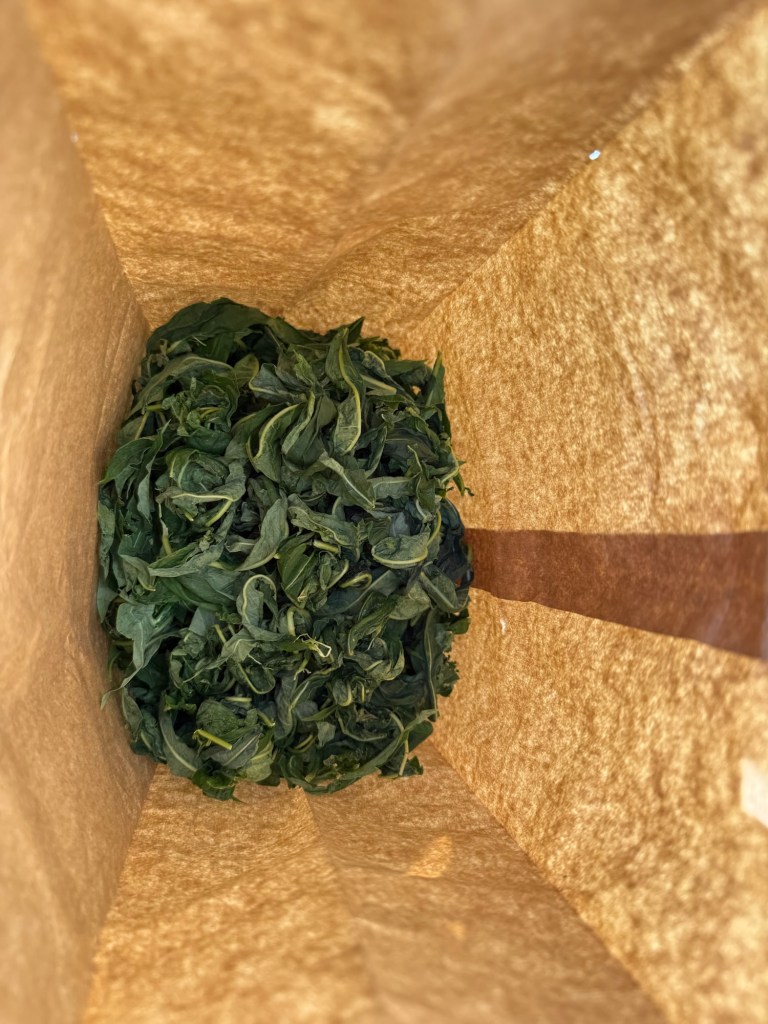
Harvesting fireweed isn’t just about making tea. It’s about being present. Each cup of Ivan Chai that I enjoy this winter will carry with it the memory of this morning, the guidance of my mentor, the creation process and the sting of nettles (lesson probably STILL not learned!), and the resilient beauty of the fireweed itself.
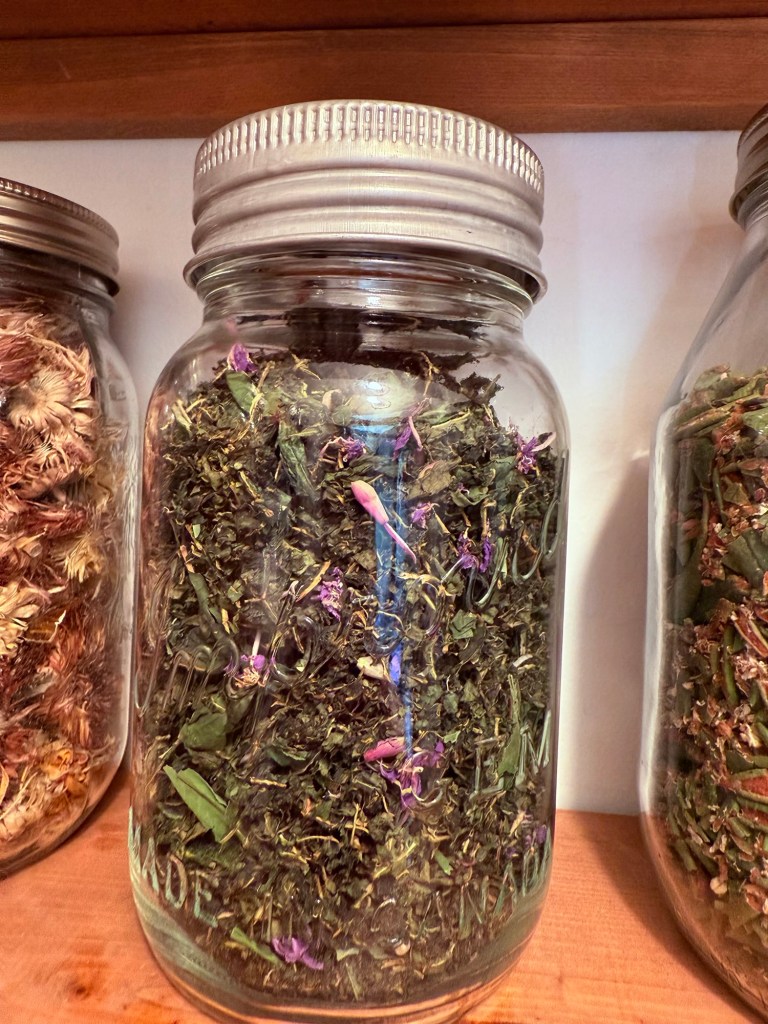
Have you ever harvested fireweed or tried Ivan Chai? I’d love to hear your stories or see your own foraging adventures—share in the comments. Curious to learn more about ethical foraging, seasonal harvests, and traditional plant uses? Follow along at Alberta Foragers on Facebook where a community shares more tips, plant profiles, and behind-the-scenes peeks into the wild pantry.
______________________________________________
If you like our content, as an act of reciprocity, please consider liking and subscribing.
 thepolestarpost
I would love to try the tea.
Thank you for sharing.
LikeLiked by 1 person
very nice… I did not know about brushing the leaves but that makes sense … I have never harvested it myself but not I will know what to do … 😊
LikeLiked by 1 person